
A Healing and Happiness project of Lotus Arts Center
Still Here, Still Together
Healing and Happiness in Our Minnesota Community, 2026
Reflections, memories, and moments from a hard season, and from the gatherings where our community found its way back to joy.
For every family who stayed inside and waited.
For every neighbor who checked in.
And for the children, who reminded us how to laugh.
Before you begin
A Note to the Reader
This page is about a hard time in our community, and about how we found each other again.
In 2026, many South Asian immigrants, Afghan families, and international students in Minnesota lived with fear. Some saw agents in their buildings. Some lost jobs before they could start them. Some could not bring their families here. Many stopped going outside.
Lotus Arts Center held listening sessions and three healing gatherings. People came. They talked. Some cried. Later, many of them laughed.
The seven reflections here come from what people shared with us. We did not use anyone’s real name. We changed and mixed details so no one can be found. Each reflection holds many voices, not one person’s story.
Some parts may be hard to read. Take your time. You can stop and come back.
If you went through something like this, you are not alone. At the end of this page, there is a list of places that can help.
What Happened
In the winter of 2025 and 2026, many families in Minnesota went through a time of deep worry.
In December 2025, the federal government increased immigration enforcement in the Twin Cities, in an effort called Operation Metro Surge. Many more federal officers came to the state. The government said its goal was public safety. For many immigrant families, it was a time of great uncertainty.
News spread quickly through neighborhoods where many immigrants live and work, including Cedar–Riverside, Lake Street, and Richfield. Some people saw enforcement activity near their homes. In our listening sessions, people told us they stayed home from work. Some stopped going to the grocery store or to places of worship. Parents worried about sending their children to school. Rumors moved faster than facts, and not knowing what was true made the fear grow.
It was a hard season for the whole state. People with many different views felt strongly about what was happening. In February 2026, the federal government announced that the operation would wind down. For many people, though, the worry did not end on that day.
Other changes came at the same time. In late November 2025, the U.S. State Department paused visas for people traveling on Afghan passports. Afghan families in Minnesota who had been waiting to reunite with relatives now faced new delays, and did not know when they might see their loved ones again.
International students also faced changes. New rules and fees for H-1B work visas changed how some employers hire graduates from other countries. In our own network, several students saw job offers they had counted on fall through. Some students told us they felt alone and afraid, and found it hard to focus on school.
These changes came quickly. People who had lived, studied, and worked here for years suddenly felt unsure about their future.
In the middle of all this, our community found ways to care for one another. Neighbors checked in. Friends dropped off groceries. People shared information and offered rides. Small acts of kindness made a big difference.
Lotus Arts Center held listening sessions where people could speak freely. Then, with support from MHC, we held three healing gatherings. We made art. We shared food and music. We sat together. For a few hours, people could rest, feel safe, and remember joy.
This page, and the book that comes with it, grew from those rooms. It is not about taking sides. It is about how people felt, and how they found their way back to each other.
Sources: Minnesota Reformer · NBC · Newsweek · Star Tribune · ICEF Monitor
Voices from our community
Reflections
Each reflection mixes the words and experiences of several people. Names and details have been changed.
1. The Hallway
A parent, apartment building, south metro
We lived in our building for six years. I knew every door. I knew whose kids were loud and who cooked with too much chili. Then one morning there were men in vests in the hallway. They knocked on a door down from us. After that, no one opened their door for anyone. We texted each other instead of knocking. My son asked why we whisper now. I did not have an answer. I still hold my breath when I hear boots on the stairs.
2. Friday Bread
A mother, Afghan, Minneapolis
My sister calls me every night. The call drops. She calls again. She asks, “Is there any news?” I tell her I am still trying. I do not tell her the door has closed. I filled out the papers. I paid the lawyer. Then the news said Afghans cannot get visas now. My children ask when their aunt is coming. I say, “Inshallah, soon.” On Fridays I make her favorite bread, so my kitchen still smells like her.
3. One Short Email
An international student
I got the email on a Tuesday. The job offer was gone. Two years of school, three internships, and one phone call from my father saying he was proud. All of it ended in one short email. I did not tell my parents for two weeks. I kept smiling on video calls. I stopped going to class. I felt like I had done something wrong, but I had not. A friend sat with me and said, “This is not about you.” I am still learning to believe that.
4. Two Cups of Chai
A graduate student
At first it was only comments online. “Go home.” “You took our jobs.” I told myself they were just words. Then I stopped wearing headphones on the bus, so I could hear who was behind me. I ate lunch alone in my car. I stopped answering texts. One day a girl from my lab knocked on my car window with two cups of chai. She did not ask me anything. She just sat with me. Now we eat lunch together every day.
5. The Empty Aisle
A grocery worker, Lake Street
Our shop is small. Rice, spices, phone cards, sweets for Eid. On a normal Saturday there is a line at the counter. For three weeks, the store was almost empty. People were afraid to come out. Some called and asked me to leave groceries at their door. I did. The owner kept paying us, even when no money was coming in. I will never forget that. When people finally came back, an auntie hugged me right in the middle of the aisle.
6. The Folder by the Door
A mother, long-term visa holder
We came here eleven years ago. We bought a house. Our daughter was born here. She only knows Minnesota winters. Now every letter in the mailbox makes my heart jump. My husband reads the news at 2 a.m. We keep a folder by the door with our papers, just in case. We did everything the right way. We followed every rule. I never thought “the right way” could feel so thin.
Coming together
The Gatherings
Between June and August 2026, Lotus Arts Center held three gatherings for families from our community. Each one was a place to rest, eat, and be together.
June 13, 2026 · Fort Snelling State Park
A Day in the Park
We invited about 100 people from our community, along with their families. Many of them had not been to a gathering in months.
The day started slowly. People found a spot in the shade, said hello, and looked around to see who else had come. Then the workshops began. Hands got busy, and people started to talk.
After that, everyone went out for a walk. Some walked in small groups. Some walked in pairs, talking quietly. Some just walked and looked at the trees and the water.
Lunch was Indian food, and there was plenty of it. Volunteers set up games for the children, and their laughter carried across the grass. Parents sat back and watched. People who came as strangers sat at the same table and left with new friends.
At the end of the day, families packed up and went home safe. For many, it was the first time in a long while they had spent a whole day outside without worry.
July 25, 2026 · Masonic Heritage Center
A Healing Circle
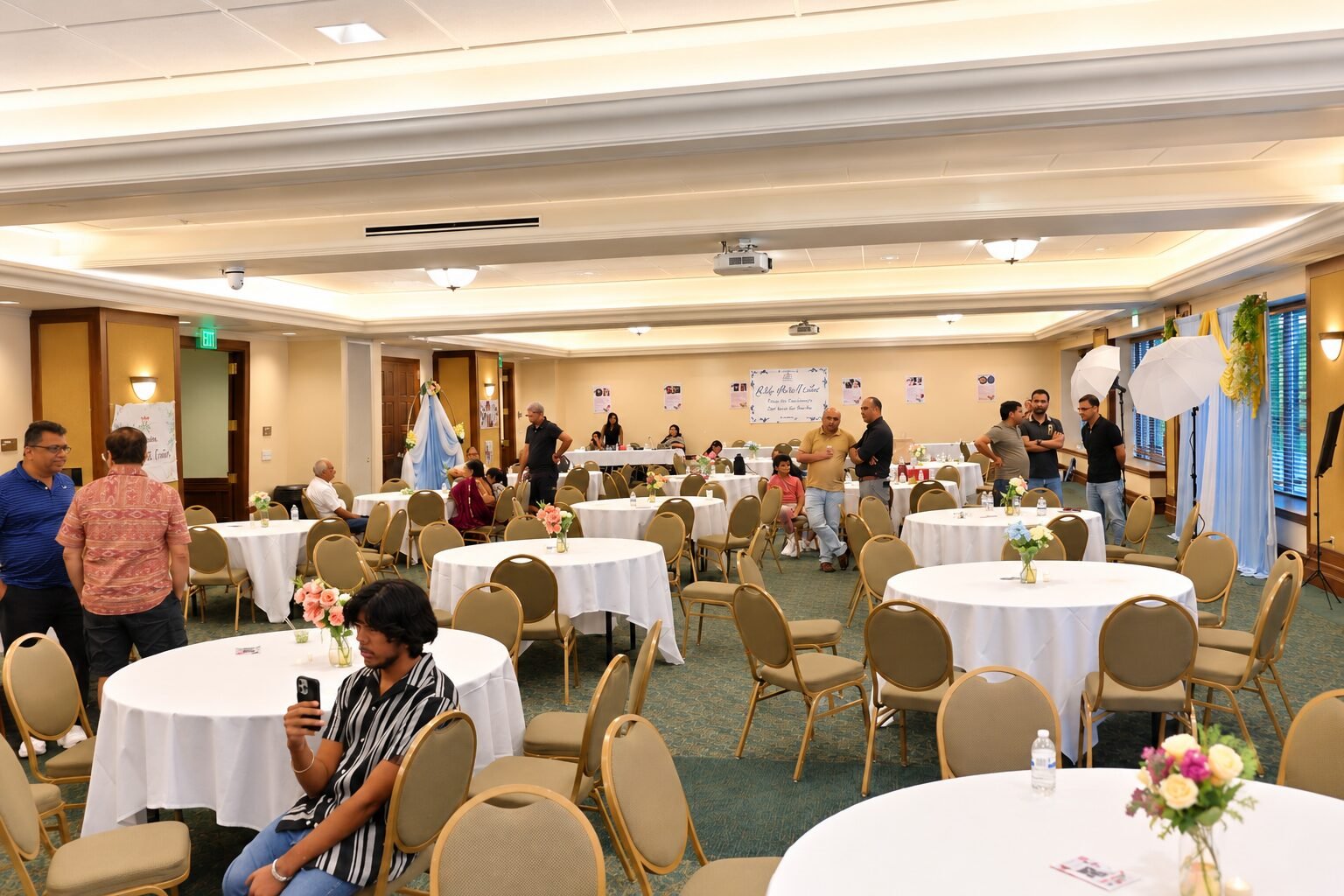
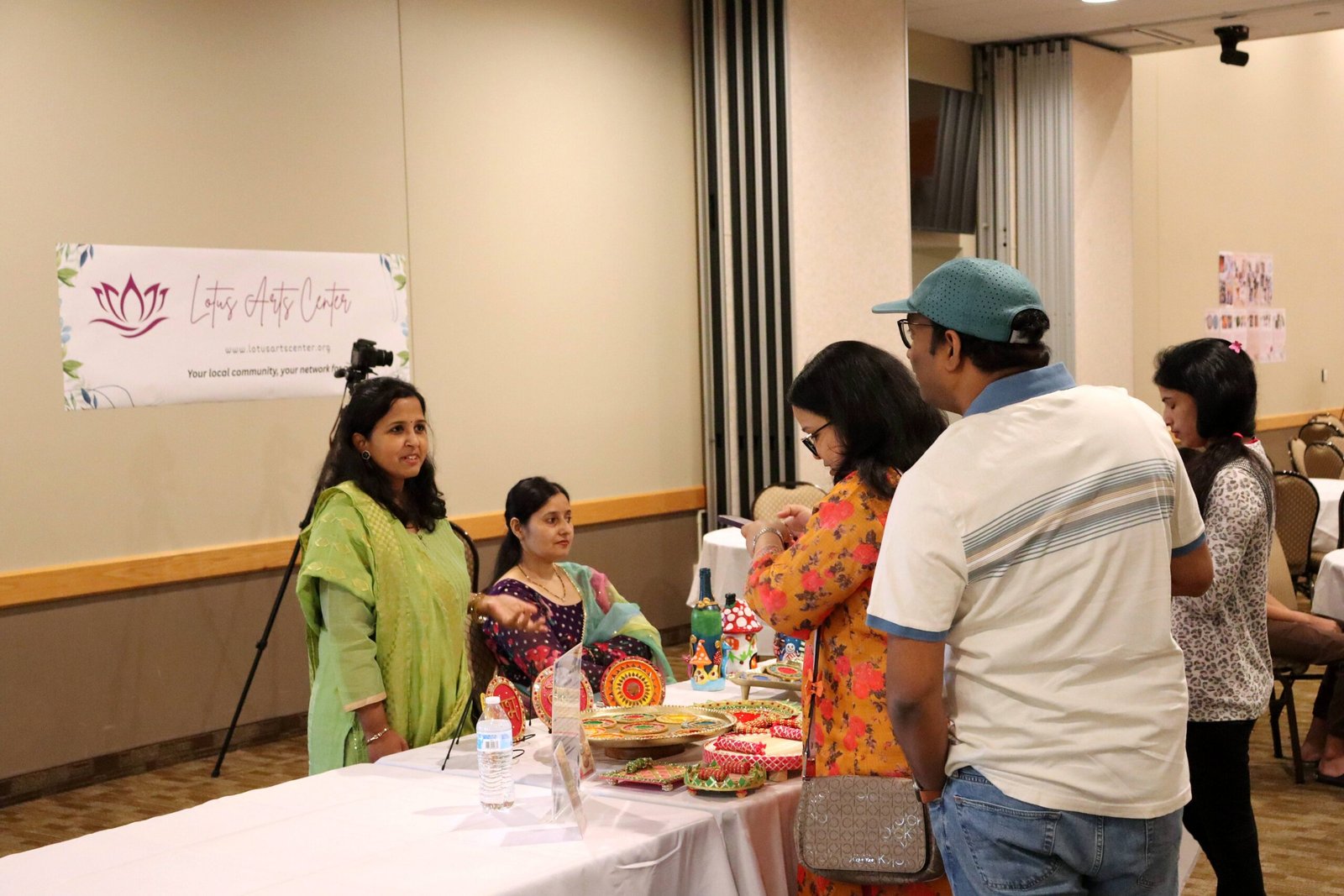
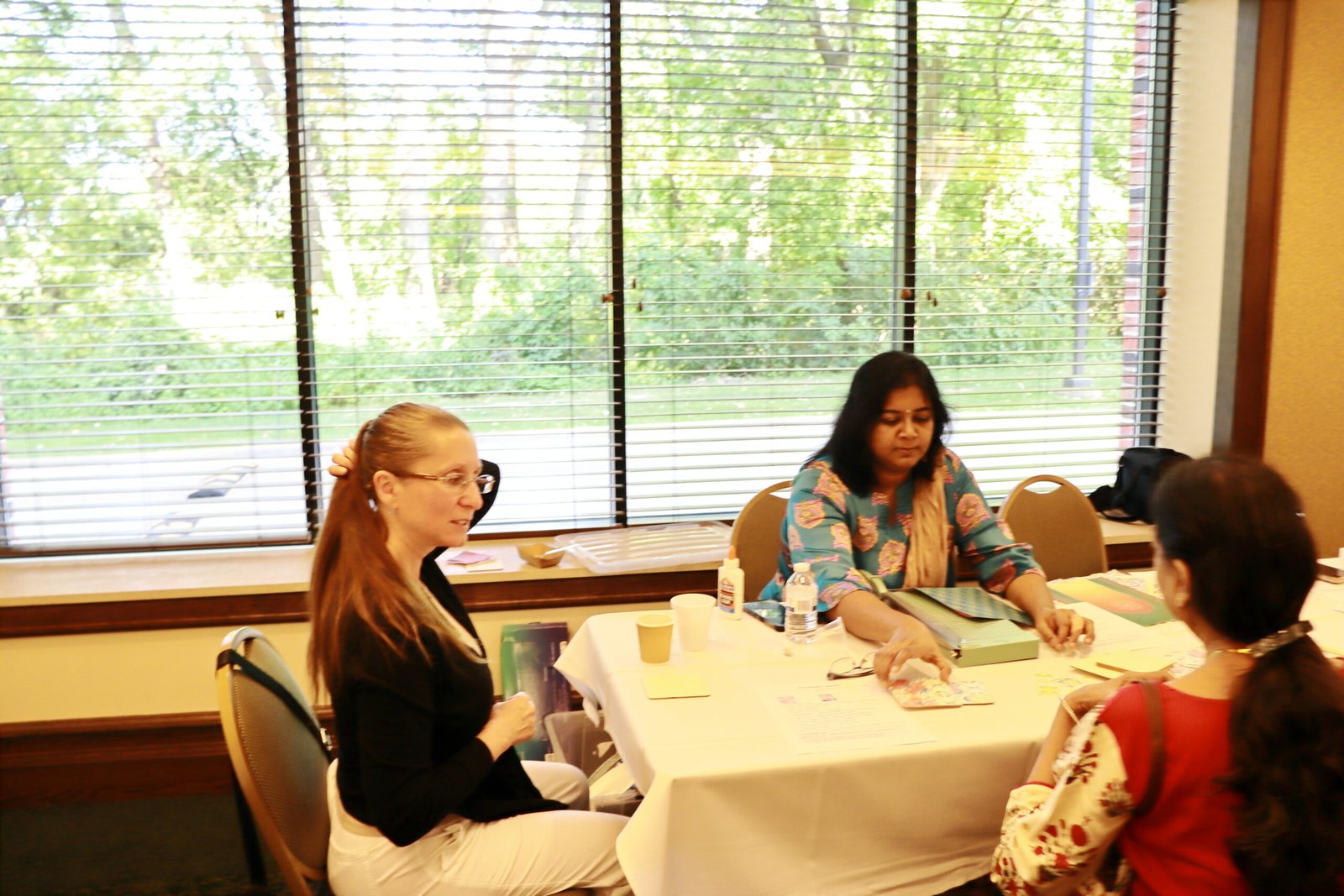
Our second gathering was indoors, and it was full of color. The room was decorated with cultural pieces, and art from our community was on display for everyone to see.
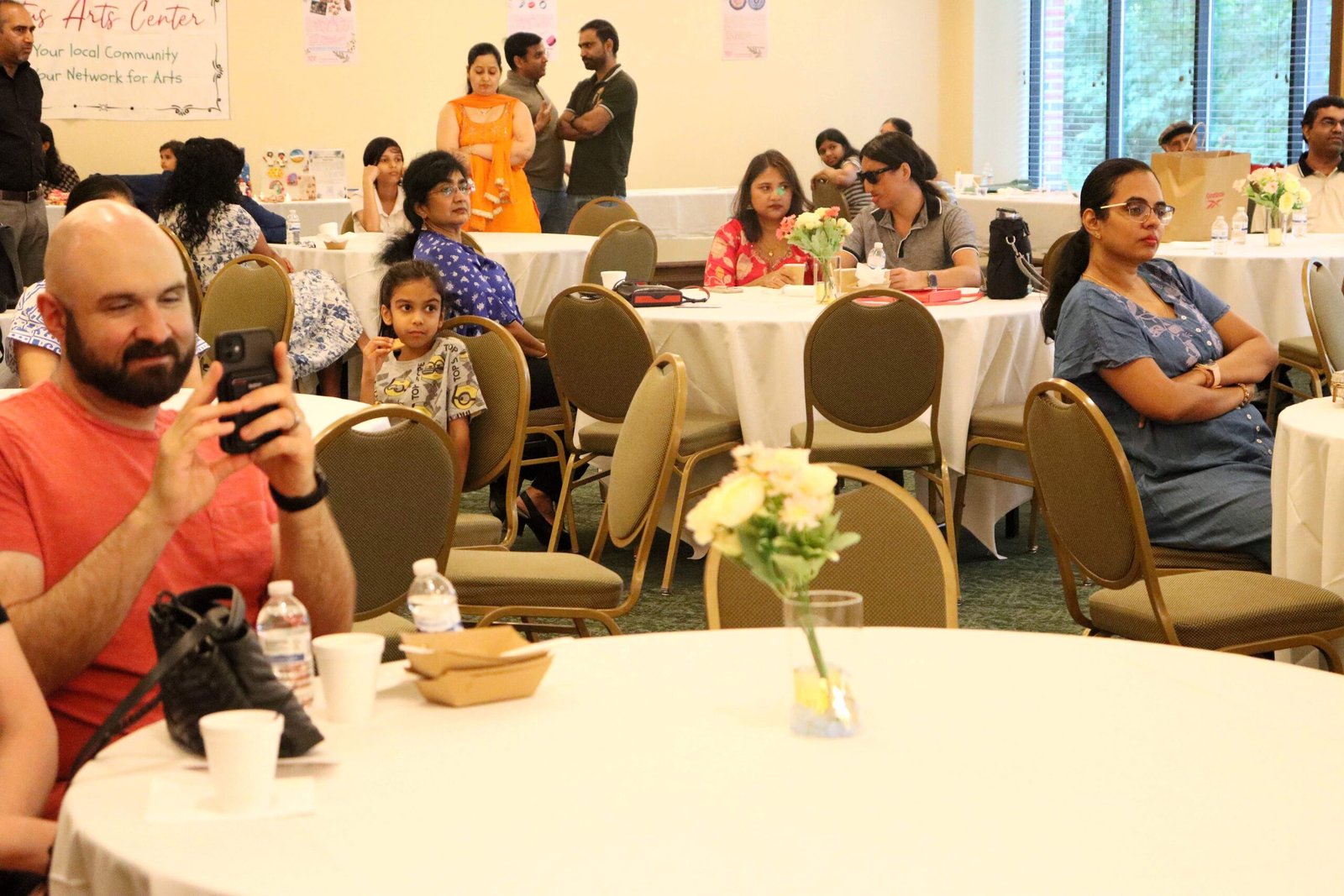
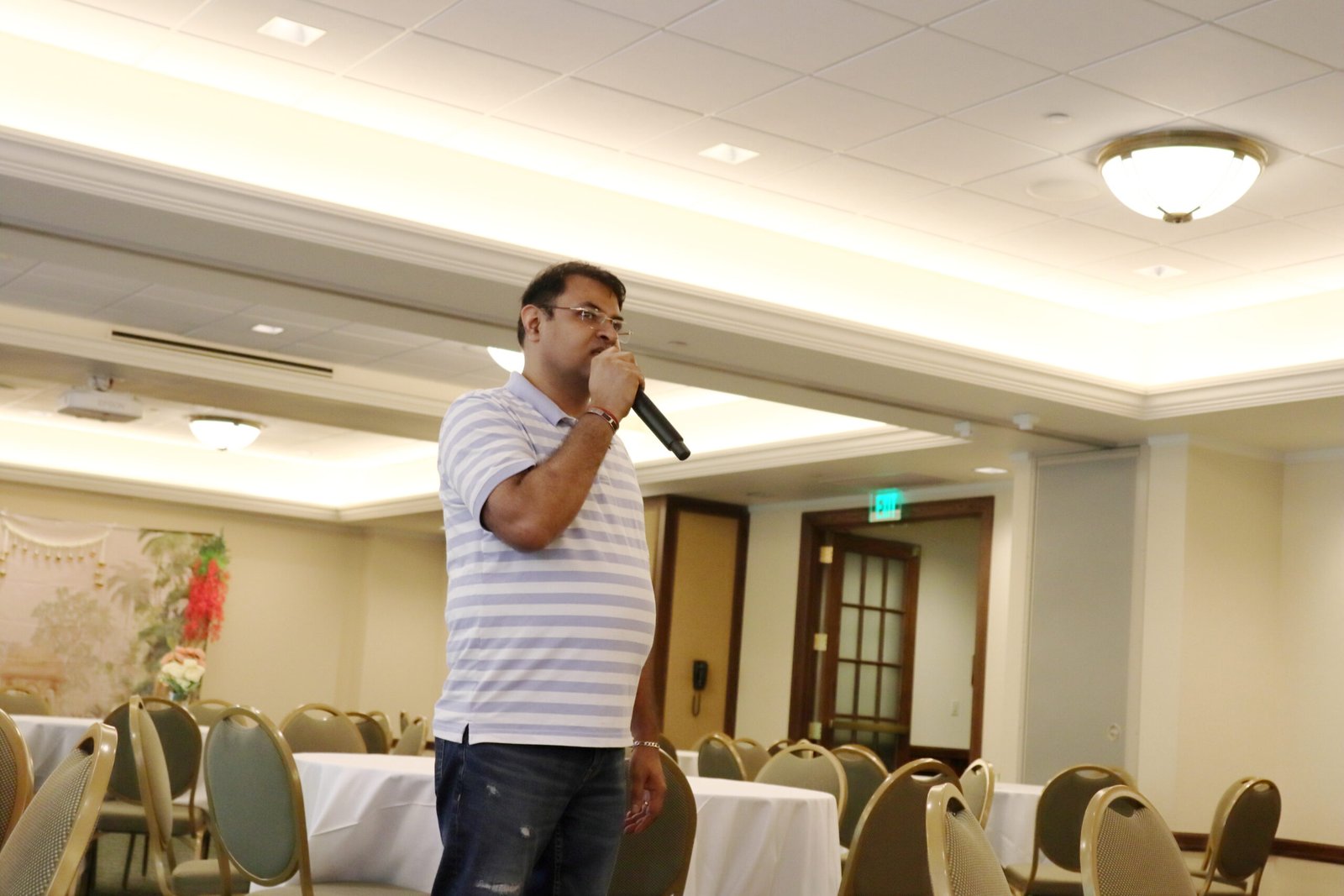
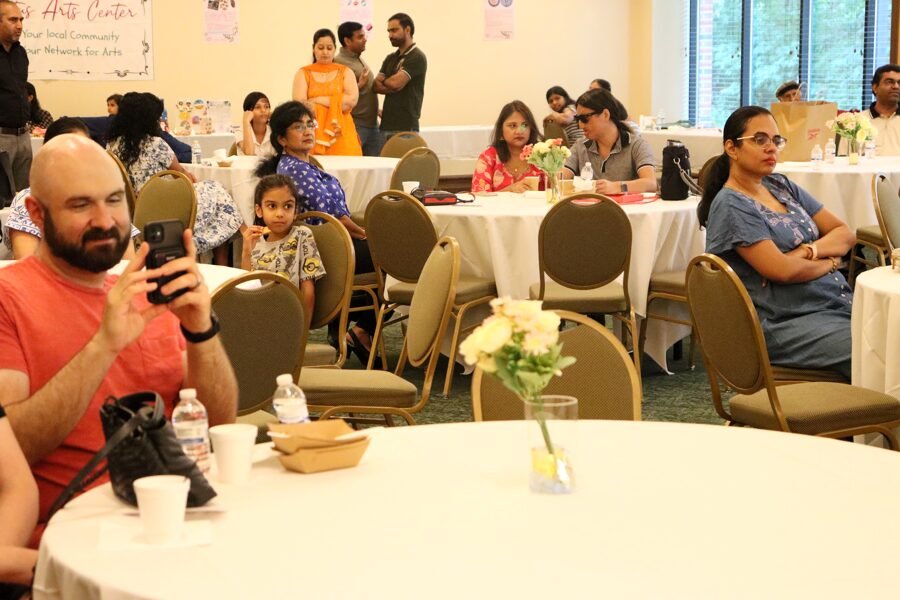
The day began with a healing circle. People sat together, shared stories, and listened. There were a few short talks. No one had to speak if they did not want to.
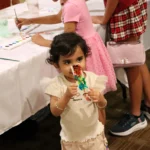
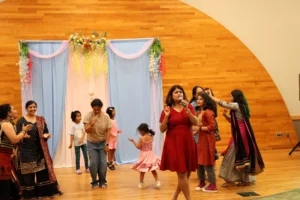
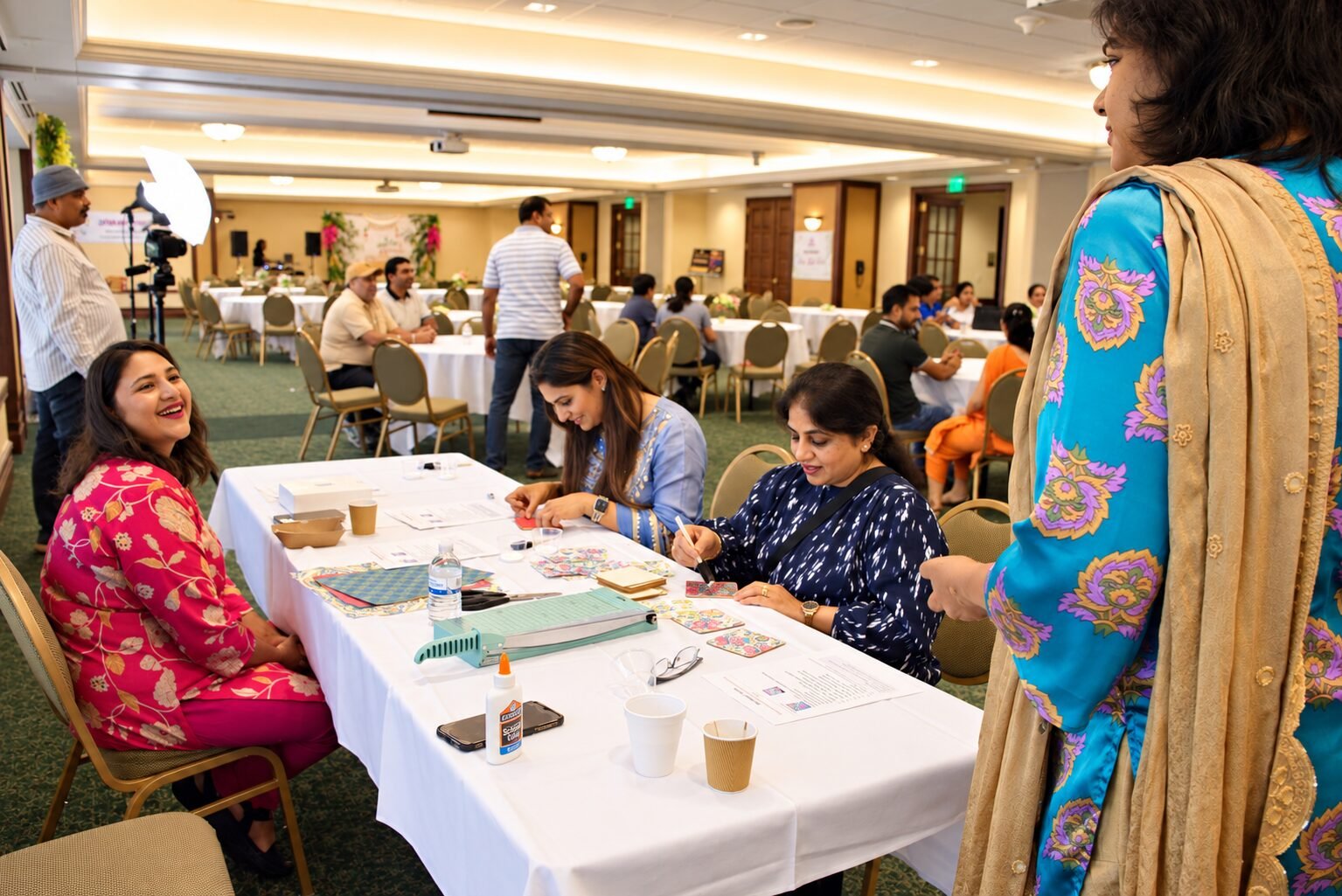
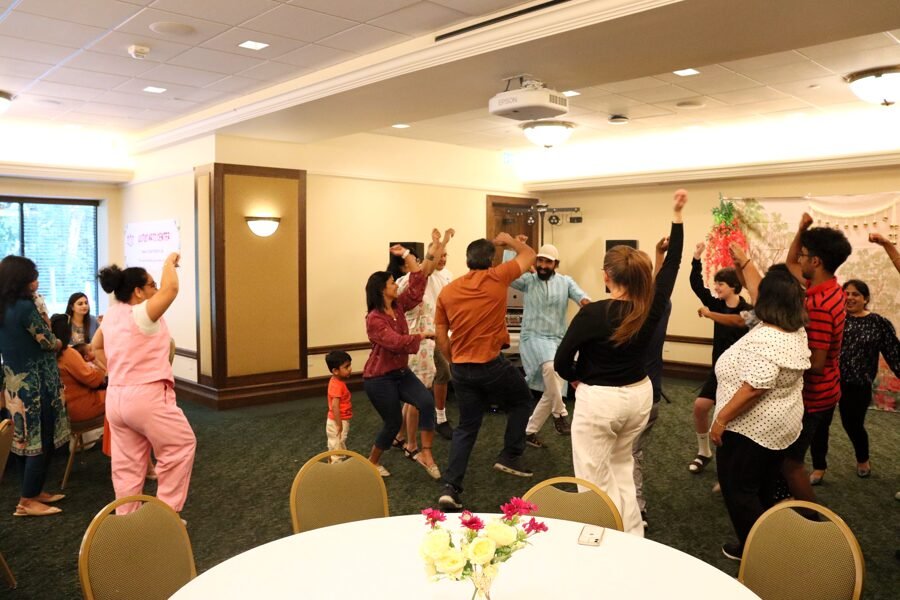
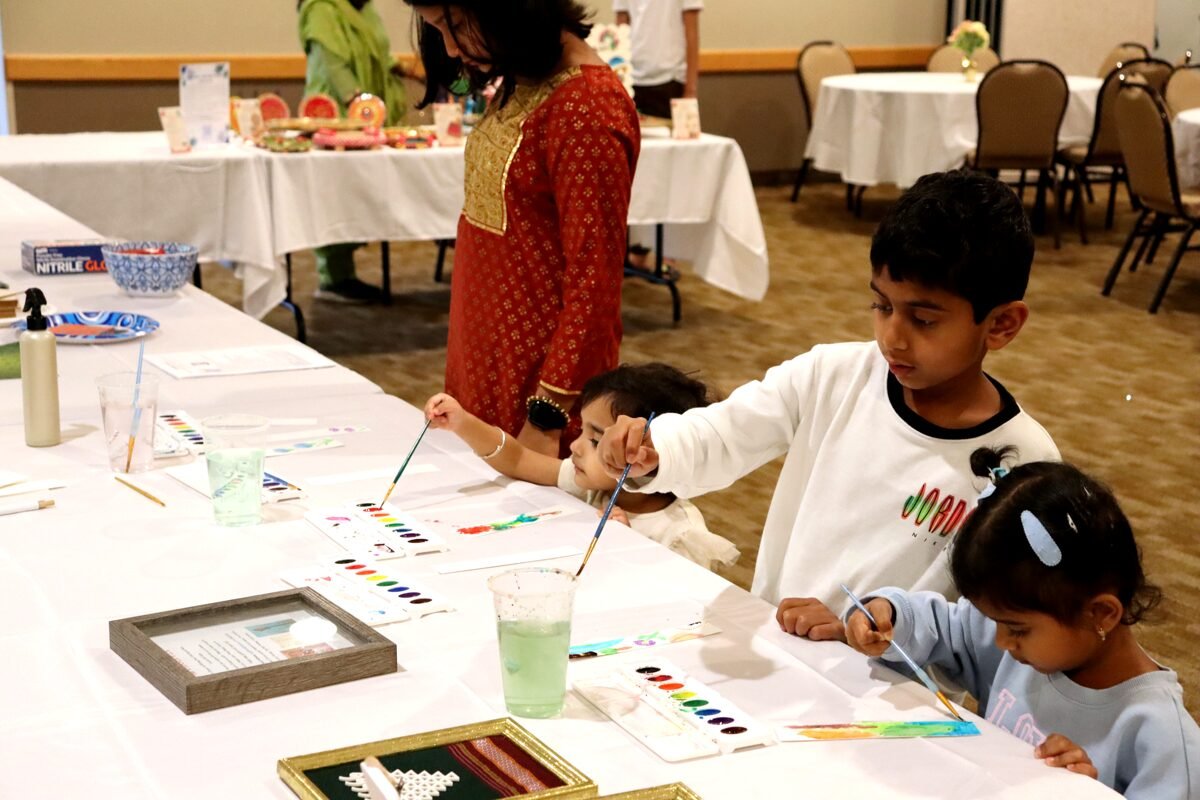
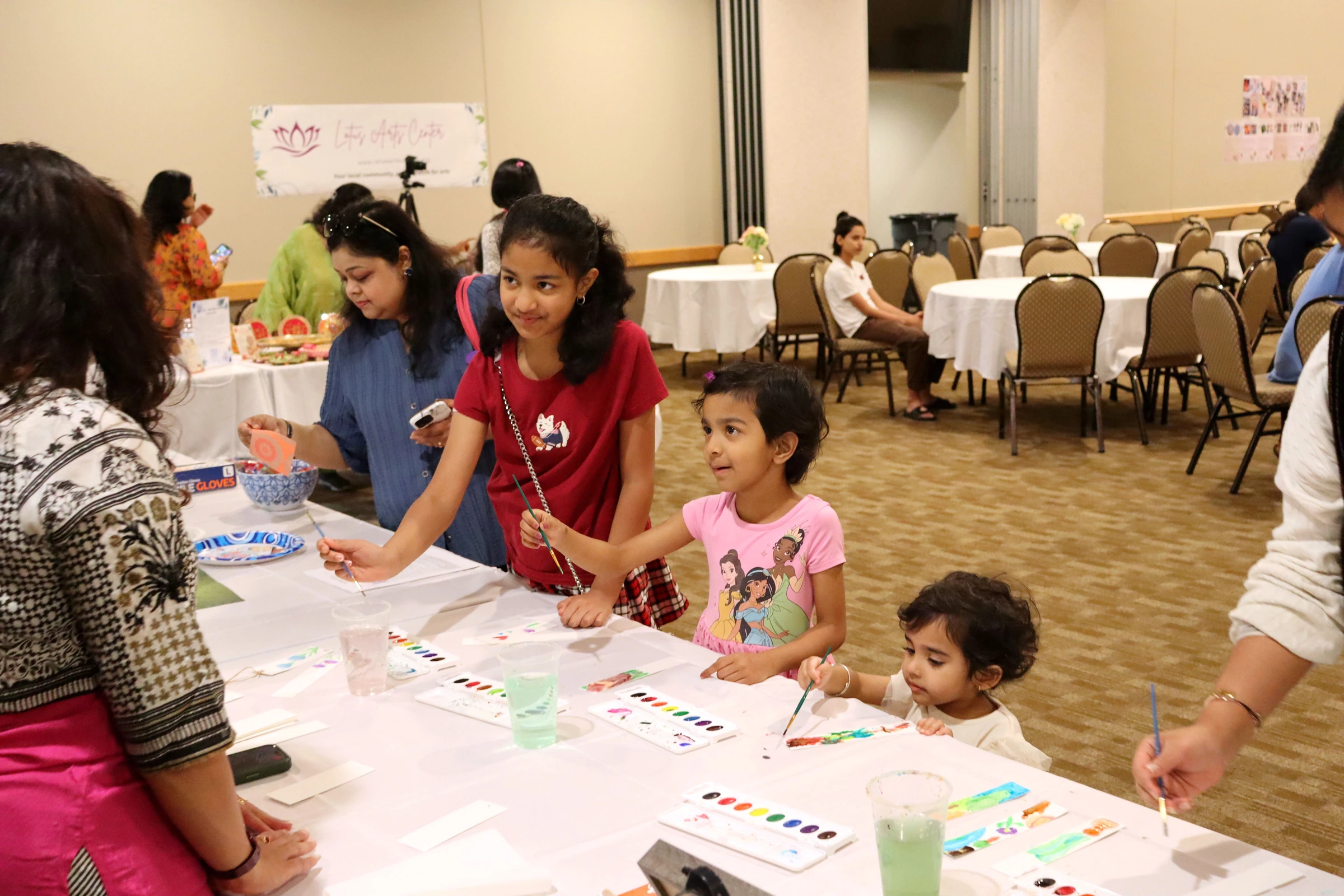
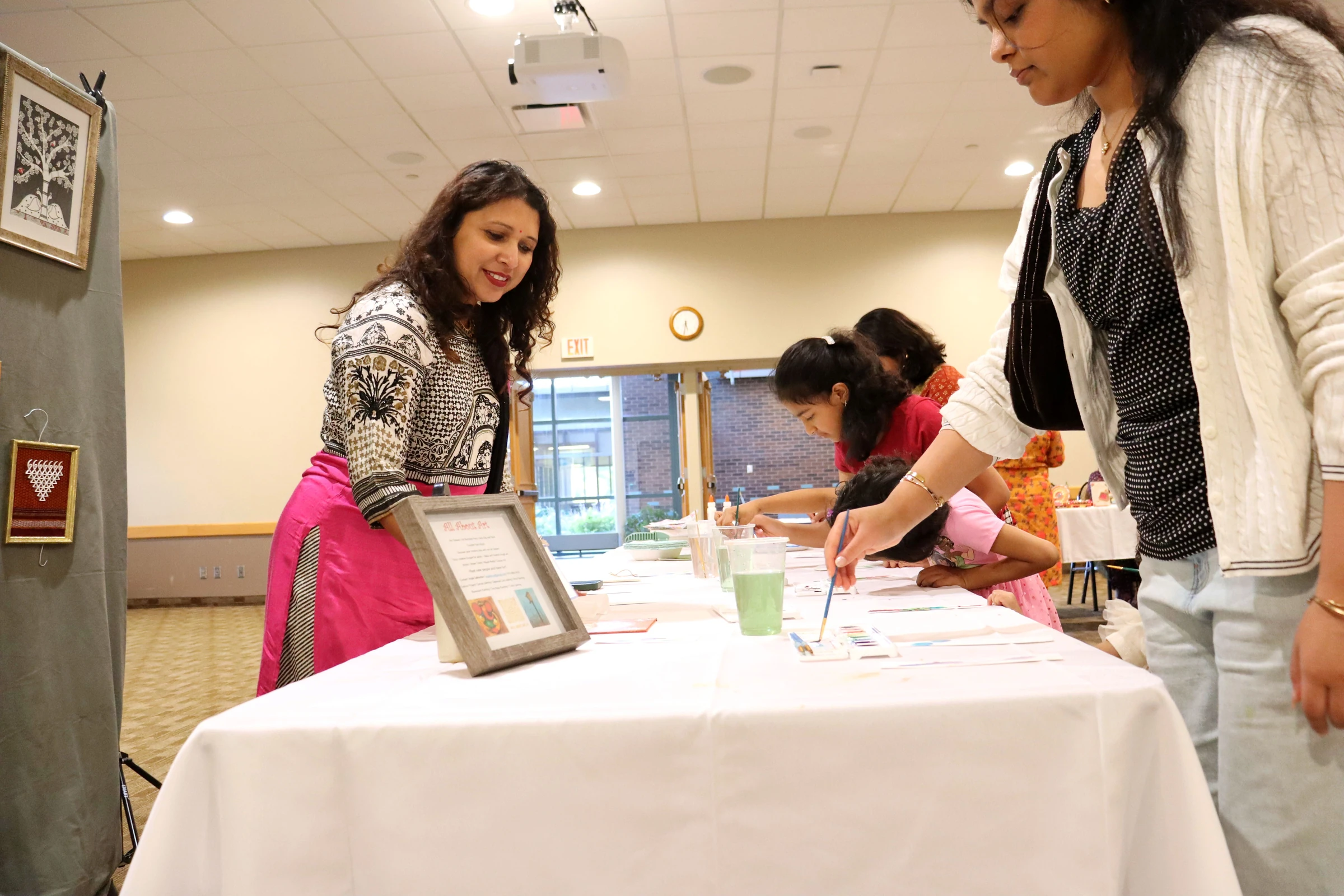
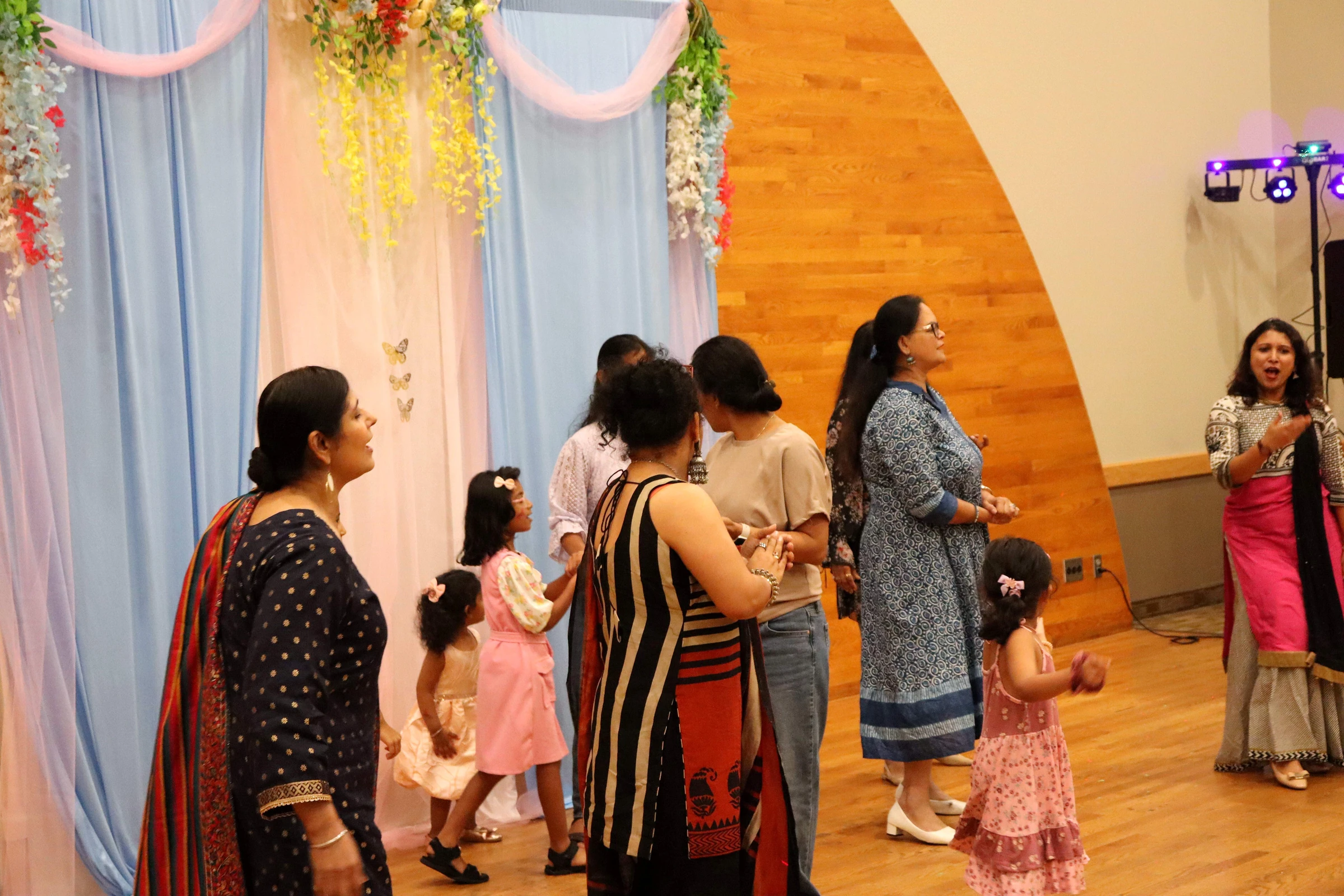
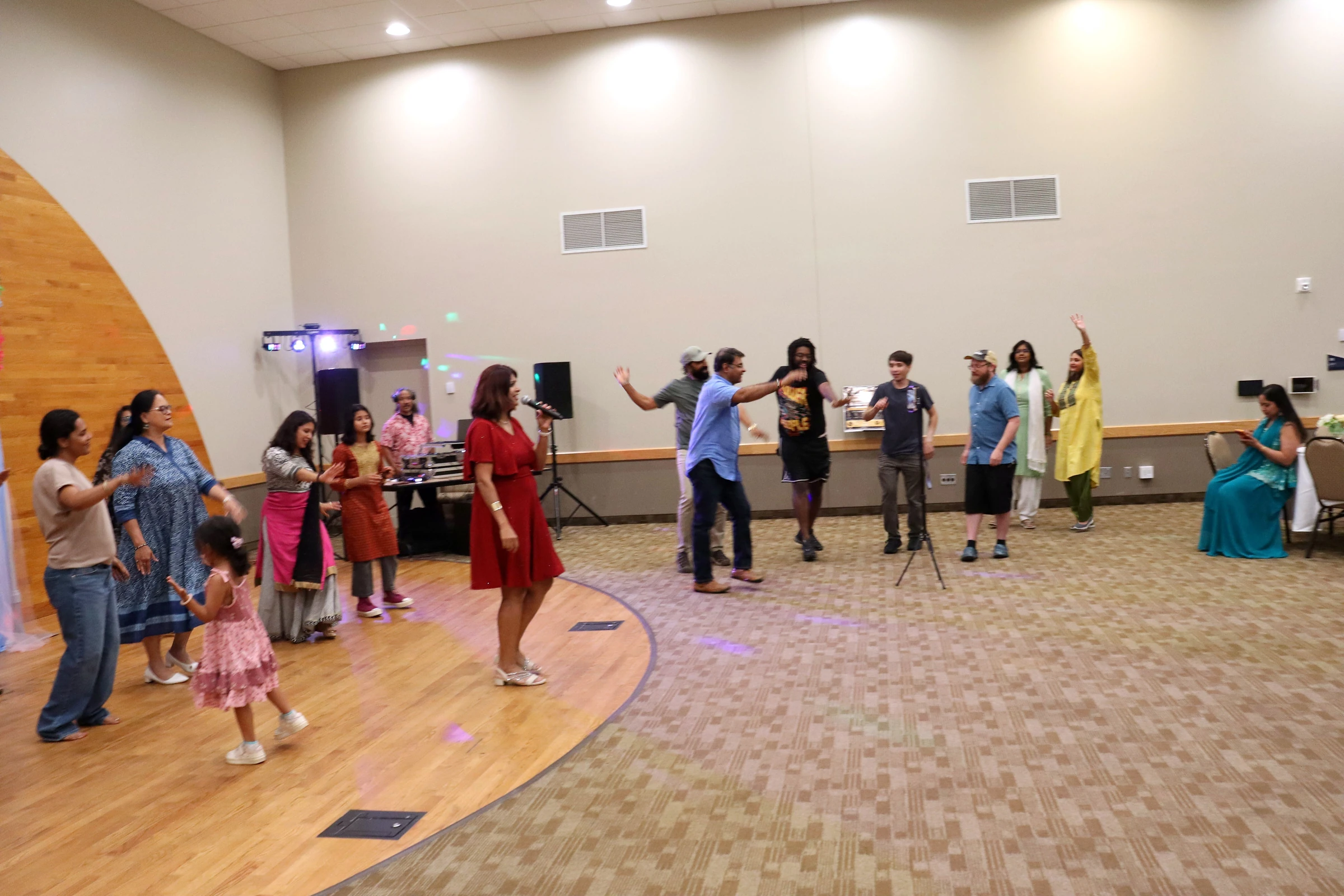
Then the room came alive. There were art and craft workshops for all ages. Henna artists drew patterns on hands, and a line formed quickly. Musicians played, and a facilitator led a bhangra session that anyone could join. Many people did, young and old.
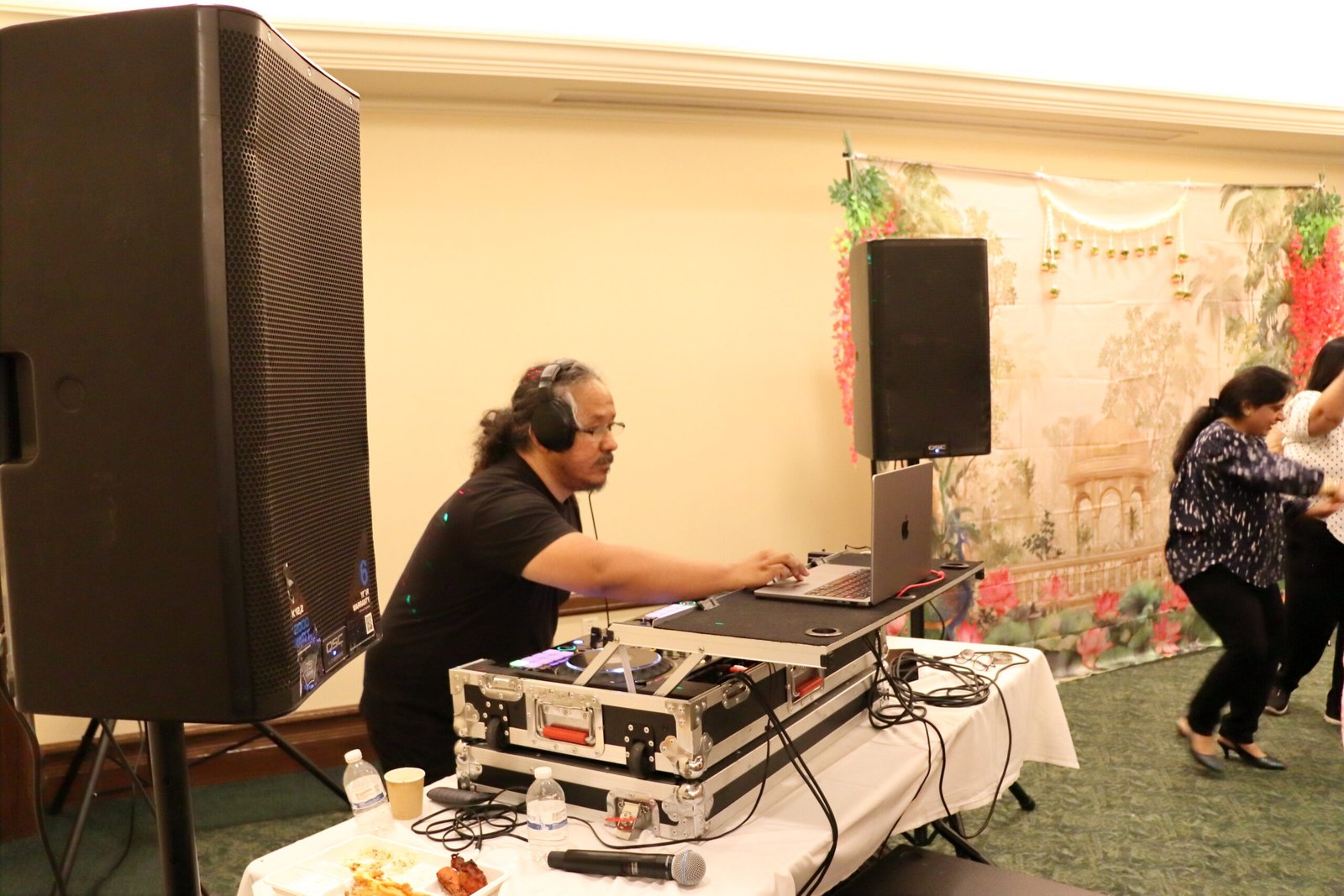
Children had their own games and activities, so parents could relax for a while. There was food, there was music, and there was a lot of laughing.
By the end of the day, the room felt lighter than it did in the morning.
August 23, 2026 · Minnetonka Community Center
Singing Together
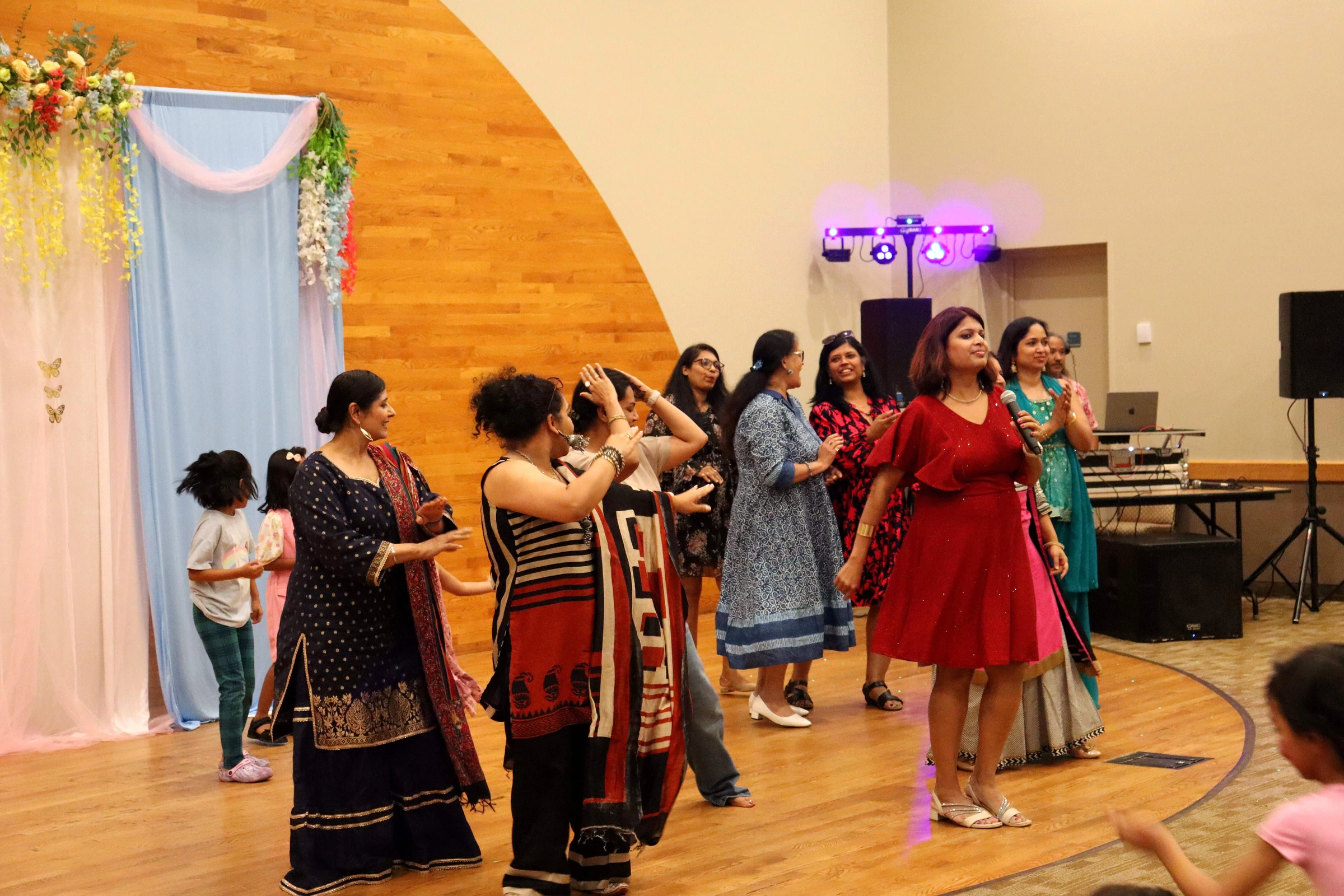
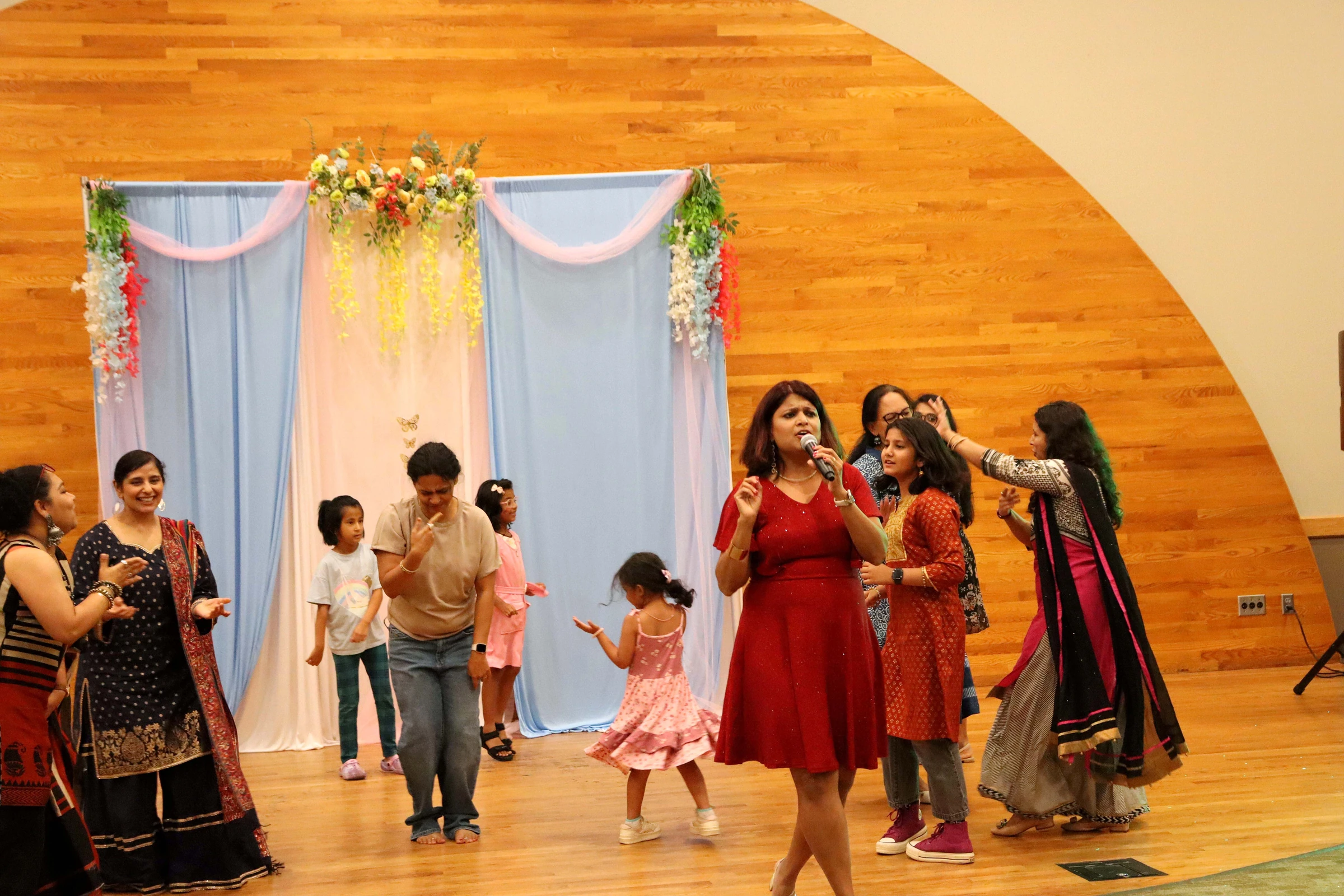
Our third gathering carried the same spirit as the second. There was a healing circle, storytelling, art workshops, an art exhibit, henna, games, dancing, and activities for the children. The room was filled again with cultural decor and the smell of good food.
This time, there was also live singing. The songs reminded many people of home. Some sang along softly. Some closed their eyes and just listened. For a little while, the room felt like a family celebration.
By August, many faces were becoming familiar. Children ran to find friends they had played with before.
These gatherings did not fix everything. But they gave people a place to breathe, to laugh, and to feel at home again.
After the gatherings
7. I Was Laughing
A grandmother, at the healing gathering
I almost did not go. My daughter pulled me by the hand. The room smelled like marigolds and tea. Someone was playing the harmonium. I saw faces I had not seen in months. We painted. We ate. An old man sang a song from back home, and I sang with him, and I did not care who heard. Driving home, my daughter said, “Ma, you were laughing.” I had not noticed. I had forgotten what that felt like.
Your voice matters
Share Your Story
Did this time touch your life or your family? Did a gathering help you? You can share a few words with us. You do not need to give your name.
Not sure what to write? Try one of these:
- What helped you get through a hard day?
- What did it feel like to be together again?
- What would you like your neighbors to know?
We read every message before anything is shared. We remove names and details that could identify anyone. With your permission, some messages may appear on this page or in the printed book.
You are not alone
Places That Can Help
These places offer help in Minnesota. Most of their services are free or low cost.
Details were checked in October 2026. Phone numbers and hours can change, so please call first or visit the website. Lotus Arts Center is not connected to these organizations, and this list is not legal advice.
If you need help right now
- 988 Suicide & Crisis Lifeline: Call or text 988, any time, day or night. Free and private. Language help is available.
- Crisis Text Line: Text MN to 741741.
- Emergency: Call 911.
Someone to talk to
- Minnesota Warmline (Mental Health Minnesota): A free, friendly line when you are struggling but it is not an emergency. Call 651-288-0400 or 855-927-6546, or text Support to 85511. Open every day, 9 a.m. to 9 p.m. mentalhealthmn.org
- SEWA-AIFW 24-hour line: Support for South Asian families, in a way that understands our culture. Call 952-912-9100. sewa-aifw.org
Family and community support
- SEWA-AIFW (Asian Indian Family Wellness): Health care access, family support, senior programs, and wellness resources for the South Asian community. 6645 James Ave N, Brooklyn Center. info@sewa-aifw.org
- Afghan Cultural Society: Help for Afghan families, including mental health support, family coaches, and help finding services. 301 Cedar Ave S, Minneapolis. Call 612-361-7111. afghanculturalsociety.org
- International Institute of Minnesota: Help for immigrants and refugees, including citizenship services, education, and job training. 1694 Como Ave, St. Paul. Call 651-647-0191. iimn.org
- United Way 211: Not sure where to start? Call 211 to find food, housing, health care, and other help near you.
Legal help
- Always get legal advice from a licensed lawyer or a trusted nonprofit. Be careful of anyone who asks for money to “fix” immigration papers fast.
- Immigrant Law Center of Minnesota: Free immigration legal help for people with low income. Call 651-641-1011 or toll free 1-800-223-1368. ilcm.org
- Mid-Minnesota Legal Aid: Free legal help for people with low income, including immigration cases. Call 877-696-6529, or apply online. mylegalaid.org
For students
- Your school’s international student office: The best first stop for questions about your visa, work permission, or job offers.
- University of Minnesota ISSS: Help with academic, career, personal, legal, and family matters. Call 612-626-7100. isss.umn.edu
- Campus counseling: Most colleges offer free counseling to students. Ask your student services office.
A closing note
You are still here. And so are we.
At Lotus Arts Center, caring for people has always been at the heart of what we do. So when our community started hurting, we could not stand by. People were afraid, and many of them were afraid alone.
We asked for help to do something about it. With support from MHC, we started a project called Healing and Happiness. The idea was simple. We wanted to give people a break from the worry. For a few hours, they could set down what they had been carrying for months and just breathe.
So we did what we know how to do. We opened a door, put out food, and made space for art. People came. At first they came quietly. By the end, they were singing.
We do not know what the coming years will bring. Some worries may still be with us. But we learned something we want to keep: when things are hard, being together is not a small thing. A shared meal, a song from home, a child’s painting, a friend who sits with you. These things help people heal.
If this page reached you, we hope it feels like a hand on your shoulder. You are part of this community.
Thank You
To everyone who spoke in our listening sessions. You trusted us with your stories. We tried to carry them with care.
To the families who came to our gatherings. You showed up, even when it was hard to leave home.
To Minnesota Humanities Center. Your support made the gatherings and this project possible.
To our artists: the henna artists, musicians, singers, the bhangra leader, our DJ, and everyone who led a workshop or shared their art.
To our volunteers, who set up tables, ran the children’s games, served food, and stayed to clean up.
To our hosts: The Masonic Heritage Center, and the Minnetonka Community Center.
To our photographers, and to our board and team at Lotus Arts Center, who believed this was worth doing.


“This work is funded in part by MHC with money from the Arts and Cultural Heritage
Fund that was created with the vote of the people of Minnesota on November 4, 2008.”